
Baccarat has always been a table game built on pace, and the bonus buy baccarat feature changes that rhythm in a way some players appreciate and others quietly avoid. The option lets you skip the shoe and trigger a fixed payout outcome for a set cost, which sounds straightforward until you weigh the house edge against your own bankroll habits. For an Australian audience used to measured betting across weekends and arvos, the real question is not whether the feature exists, but whether it fits the way you actually play.
For those who prefer a quicker exit after a bonus trigger lands, finding a platform with streamlined payouts becomes just as important as the game mechanics themselves. You can explore platforms that prioritize speed and reliability at fast withdrawal casino australia. Ultimately, managing your session length and cash-out expectations is what separates a strategic play from a costly impulse.
What The Bonus Buy Option Actually Does
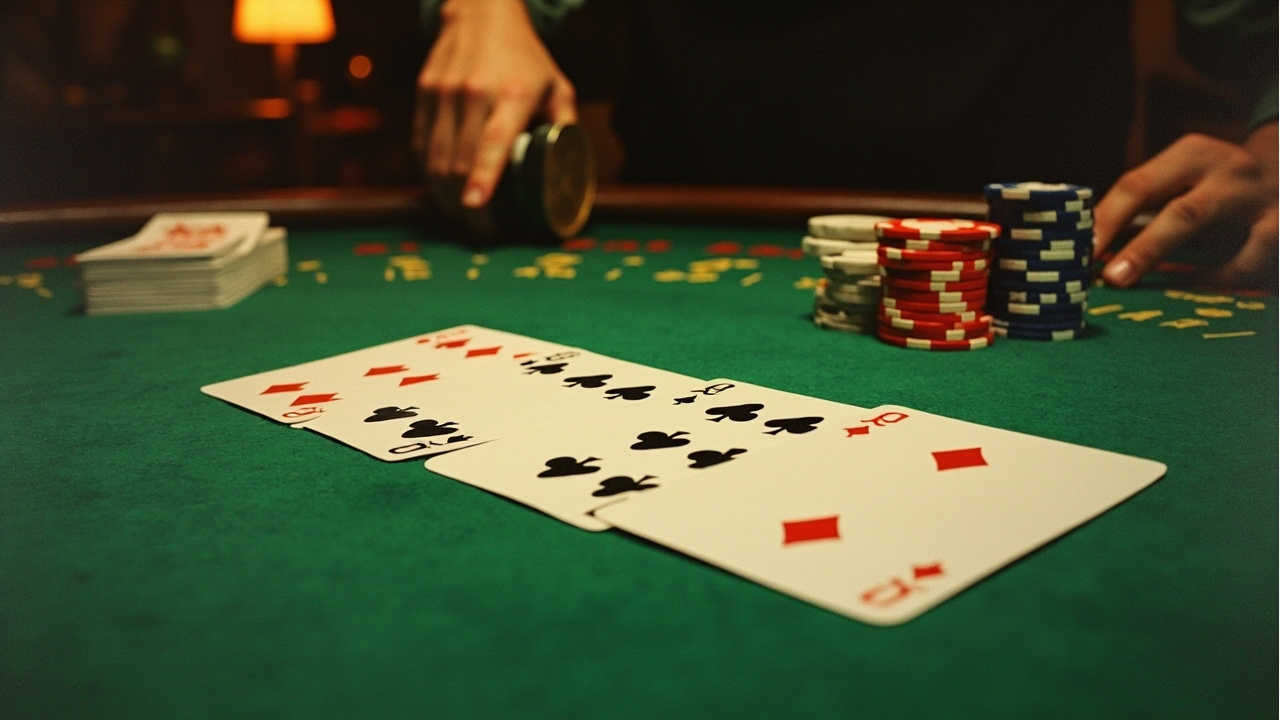
The bonus buy baccarat feature is a side trigger that replaces the standard deal with a pre-set payout structure, usually tied to a specific hand result or combination rather than a long run of play. Instead of waiting through multiple rounds, you pay a defined buy-in and the game resolves against that outcome immediately. Two things separate it from a regular baccarat session: the cost is fixed up front, and the return is calculated on a separate paytable rather than the base game odds. That means the feature is best understood as a separate wager with its own maths, not a shortcut to the same result. Providers tend to position it as a faster, more deliberate way to play, which is fair enough if you already like baccarat and want a tighter session. Where it gets less clear is when players treat the buy as a substitute for normal table play, because the fee and the payout schedule do not automatically line up with the odds you would see over a longer shoe. In practice, the feature works best when you know exactly what you are buying and why, rather than using it as a default button because it looks quicker. A decent operator will show the buy cost, the qualifying outcome, and the payout before you commit, which matters more than the marketing around speed.
Player-Fit Scenarios Worth Weighing
The first scenario is the session player who wants a defined stop point rather than an open-ended run. If you prefer to budget a fixed amount for a short stint and walk away once that window closes, the bonus buy baccarat feature can match that habit because the cost is known before the hand resolves. The second scenario is the player chasing a specific outcome rather than a long sequence of hands. Someone who has a clear preference for a particular side result may find the buy more aligned with that intent than sitting through multiple standard rounds, though that preference still has to sit comfortably with the stated payout. The third scenario is the cautious bankroll player who uses the feature sparingly as one option inside a broader table session, not as the main event. That approach tends to work better because the buy stays a deliberate choice instead of becoming the whole session. What I have seen across affiliate and publisher partnerships over the years is that features like this convert best when the operator frames them as one tool among several, not as the default way to play baccarat. The same judgement applies here: the feature earns its place when it matches a specific playing style, not when it is sold as a universal fix. I have also watched campaigns where the messaging leaned too hard on speed and the retention data showed players burning through the buy faster than expected, which is why I would rather see it positioned as a controlled option than a headline draw.
How Australian Players Encounter It Day To Day
On the Gold Coast, where a lot of weekend play runs alongside footy finals conversations and a long lunch schedule, the pace of a baccarat session can feel very different from a late weekday arvo at a local club. The bonus buy baccarat feature tends to show up most naturally for players who are already comfortable on mobile and want a shorter, more self-contained session between other plans. That mobile habit matters because a buy option is only useful if the screen, the cost, and the payout are all easy to read in a hurry, and not every interface makes that as clear as it should. State-level habits also shape how the feature is received, since some players treat baccarat as a quieter table choice while others are more accustomed to faster-paced offerings elsewhere. None of that changes the underlying point that the buy is still a separate wager with its own terms, and the local context just changes how often it gets used and in what kind of session. Responsible gambling safeguards matter here too, because a fixed-cost feature can feel tidy on the surface while still encouraging repeated buys if the pacing is not checked. A sensible setup keeps the cost visible, the payout clear, and the option easy to skip, which is the kind of everyday usability that separates a workable feature from one that just looks convenient. If you are comparing operators on how quickly they actually process a withdrawal after a session like that, a fast withdrawal casino Australia players can verify through their own payment timelines is worth weighing alongside the feature itself.
What To Check Before You Use The Buy
The first step is to read the buy cost and the payout schedule side by side before you press the option, because those two numbers tell you more than the feature name ever will. The second step is to confirm what outcome the buy is tied to, since a fixed payout only makes sense once you know which result triggers it and how often that result actually lands in the game you are playing. The third step is to check whether the buy is available on the exact baccarat variant you want, because the same feature name can sit on different tables with different terms and different base rules. The fourth step is to look at the session limits and any self-set controls the operator offers, especially if you plan to use the buy more than once in a sitting. The fifth step is to treat the buy as a separate line in your session budget rather than folding it into your normal table stake, which keeps the cost honest and easier to track. The sixth step is to test the mobile view yourself if you play on a phone, since a buy option that is clear on desktop can feel cramped or rushed on a smaller screen. Noah Henderson, Head of Analytics, Southern Cross Gaming Advisory, has pointed out that fixed-cost side options often look cleaner on paper than they behave in repeated play, which is why the payout schedule and the frequency of the triggering outcome deserve more attention than the buy button itself. William Bennett, Product Analytics Lead, Southern Capital Advisory, has also noted that players tend to overvalue the convenience of a buy when the session is short, so the real check is whether the cost still makes sense once you factor in how often you would actually use it. Thomas Scott, Commercial Director, Red Centre Analytics, has argued that operators who present the buy as one option inside a broader baccarat menu tend to keep player expectations more realistic than those who push it as the main draw, and that judgement lines up with what sensible session planning looks like in practice.
For players who want a shorter, more deliberate baccarat session, the bonus buy baccarat feature can be a workable option as long as the cost, payout, and triggering outcome are all clear before you commit. It suits a defined budget and a specific playing preference better than it suits anyone hoping for a quicker path to the same odds as a regular table run. The feature is most useful when it matches how you already play, not when it is treated as a default replacement for the standard game.