
Saturday arvo on the Gold Coast, the dice are already humming under the felt and the crowd has that half-curious, half-serious look that only a busy craps pit can produce. You do not need a spreadsheet to sense when a table is drifting, but you do need a method. In my day job managing high-value iGaming portfolios, I watch the same retention signals across international player bases – drop-off points, repeat-session clusters, the quiet churn that shows up long before anyone complains – so I read a craps layout the way I read a loyalty dashboard: by behaviour, not by hope. Craps strategy stickman is really about learning where the puck actually lands, then matching your wagers to the rhythm the table is already showing you.
Reading the layout before the first roll
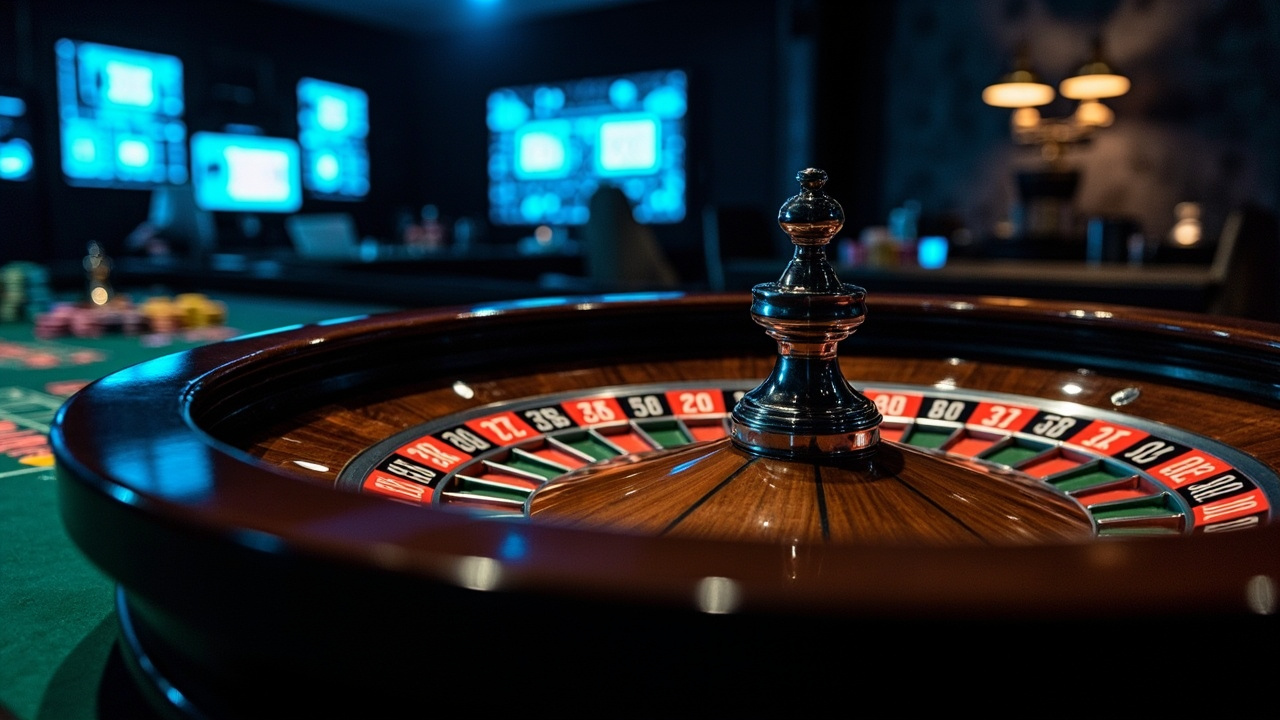
A good table read starts with the crew, not the chips. The stickman controls the proposition bets, calls the dice, and keeps the pace; if you are sitting there waiting for a miracle seven, you are already paying for someone else’s tempo. Watch how the stickman handles the hardways and the horn, how fast the dealers sweep, and whether the crowd is clustering around the pass line or scattering into the centre. That pattern tells you more about expected volatility than any superstition ever will. When I compare player retention across markets, the same principle holds: the interface and the flow shape behaviour before the bonus terms ever do. If you want to test that observation without risking a session, you can run a quiet pass through le bandit demo and watch how a table’s pacing feels before you commit, because the first three minutes usually reveal whether a layout rewards patience or punishes it. The practical takeaway is simple: identify the proposition bets that are actually active, note which numbers are getting repeated calls, and decide early whether you are there for the line or for the centre. A table that is busy as a lunch queue on the Gold Coast often means the stickman is calling fast and the dealers are sweeping hard, which tends to favour shorter, cleaner bets over sprawling proposition spreads.
| What to watch | What it usually signals | How it shapes your first bets |
|---|---|---|
| Stickman call speed and repetition | Pace of the table, crowd engagement | Faster calls tend to reward line bets; slower calls leave room for centre play |
| Where the crowd clusters | Which numbers are getting attention | Pass/don’t pass dominance suggests a steadier session; horn/hardways clustering suggests volatility |
| Dealer sweep rhythm | How often bets are collected and reset | Frequent sweeps can trap over-extended proposition wagers |
The mix on a well-run floor matters just as much as the pace. A lobby that keeps the table content organised – pass, don’t pass, odds, then the proposition strip – makes it easier to spot what is actually drawing money. In a game catalog that is built for discovery, you want the table games and live content sitting where you can find them without digging through a slots wall, because a cluttered lobby quietly pushes players toward whatever is easiest rather than whatever fits their style. That is the same reason I structure player data by session type rather than by raw turnover: the category tells you what someone is trying to do, and the category tells you where they are likely to drift when the dice go cold.
Where the stickman actually changes your edge
The stickman is not a magician, but he is the gatekeeper of the proposition bets, and that is where most casual players quietly bleed money. Hardways, horn, any seven, and the field all sit under his call, which means their frequency and their payout rhythm are tied to how the table is being run more than to any personal system. If you are betting those numbers blindly, you are effectively paying for the stickman’s pace and the crowd’s mood. My work with multi-channel communication across international markets has taught me the same lesson in a different language: the message that repeats most often is the one that shapes behaviour, and the bet that gets called most often is the one that shapes your session. A disciplined approach treats the centre bets as occasional texture, not as the main event, and keeps the line bets – where the odds actually sit – as the anchor. That is not a promise of wins; it is a way to keep your exposure aligned with the table’s real volatility instead of the story you brought in with you.
Two things tend to matter more than the dice themselves. First, the odds available behind the line, because that is where the math stops fighting you and starts working with you. Second, the table minimum and the way the crew handles winning proposition bets, because a fast sweep can turn a decent run into a reset before you have a chance to collect. When I look at retention data, the players who stay longest are rarely the ones chasing the flashiest centre bets; they are the ones who understand the limits of their own wagers and the mechanics of the table. That is why a short, honest checklist beats a long, hopeful system every time. If you are sorting out which bets belong in your regular rotation, keep it to the ones you can explain in one breath:
- Pass or don’t pass as the base, with odds sized to your comfort rather than the table’s noise
- One or two proposition bets at most, only when the stickman’s rhythm and the crowd’s clustering actually support them
- A clear stop point for the session, because the table does not care how long you have been winning
Limits, trade-offs, and the Gold Coast reality
No craps strategy stickman approach survives contact with a table that is running hot or cold for long stretches, and pretending otherwise is how sessions turn into souvenirs. The real trade-off is between patience and action: a steadier line-focused session usually loses slower when the dice turn, while a centre-heavy session can spike faster in both directions. On the Gold Coast, the practical conditions matter as much as the theory – travel time, table availability, the ebb and flow of a weekend crowd, and the simple fact that a busy Saturday night pit is not the same animal as a quiet Tuesday session. I have seen enough player churn across international markets to know that the biggest leak is rarely the bet itself; it is the decision to keep pushing after the table has clearly changed character. A loyalty programme that actually rewards session discipline, rather than just volume, tends to hold players longer because it respects the same boundary: know when the rhythm has shifted, and adjust before the drift becomes a loss. If you are weighing whether a table layout and its surrounding content suit your style, the catalogue and lobby organisation tell you a lot about whether the operator is built for discovery or just for volume, and that distinction matters more than any single roll.

Amelia Collins, Payments Strategy Director, Blue Gum Gaming Council, puts the same caution into sharper terms: “A table can feel generous for ten minutes and still be running a perfectly normal distribution; the discipline is in treating a short run as information, not as a pattern you can bank.” That is the kind of judgement call I make when I am reviewing whether a product actually supports long-term retention or just borrows it for a busy weekend. Craps strategy stickman, done honestly, is less about outsmarting the dice and more about reading the table, matching your wagers to the rhythm in front of you, and walking away before the crowd’s mood starts dictating your bets.